Leading Manufacturer of Lithium Battery Chargers and Power Adapters
+86-15361625091

Views: 0 Author: Site Editor Publish Time: 2026-05-19 Origin: Site


Many customers ask whether a failed charger can be repaired. As a professional lithium battery charger manufacturer, we clearly divide charger faults into minor faults, intermediate faults, and irreparable faults. Understanding charger failure types can help buyers judge maintenance costs and avoid unnecessary losses.
Common Failure Reasons
1. External damage: broken power cord, plug wear.
2. Environmental factors: humidity, dust, high temperature.
3. Internal component aging: capacitor bulging, MOS tube damage.
4. Protection trigger: overcurrent, short circuit, surge voltage.
Repair Judgment Standard
✅ Minor faults: replace cables, clean dust — easy repair.
✅ Intermediate faults: replace capacitors and resistors — repaired by professionals.
❌ Severe faults: burned circuit board — not recommended to repair.
Most cheap uncertified chargers suffer from frequent component aging and irreversible circuit burnout, which greatly increases after-sales costs. To reduce product failure rates fundamentally, Lilon strictly controls raw material selection and production standards. All 12W~1200W lithium battery chargers and power adapters pass strict aging testing before shipment.
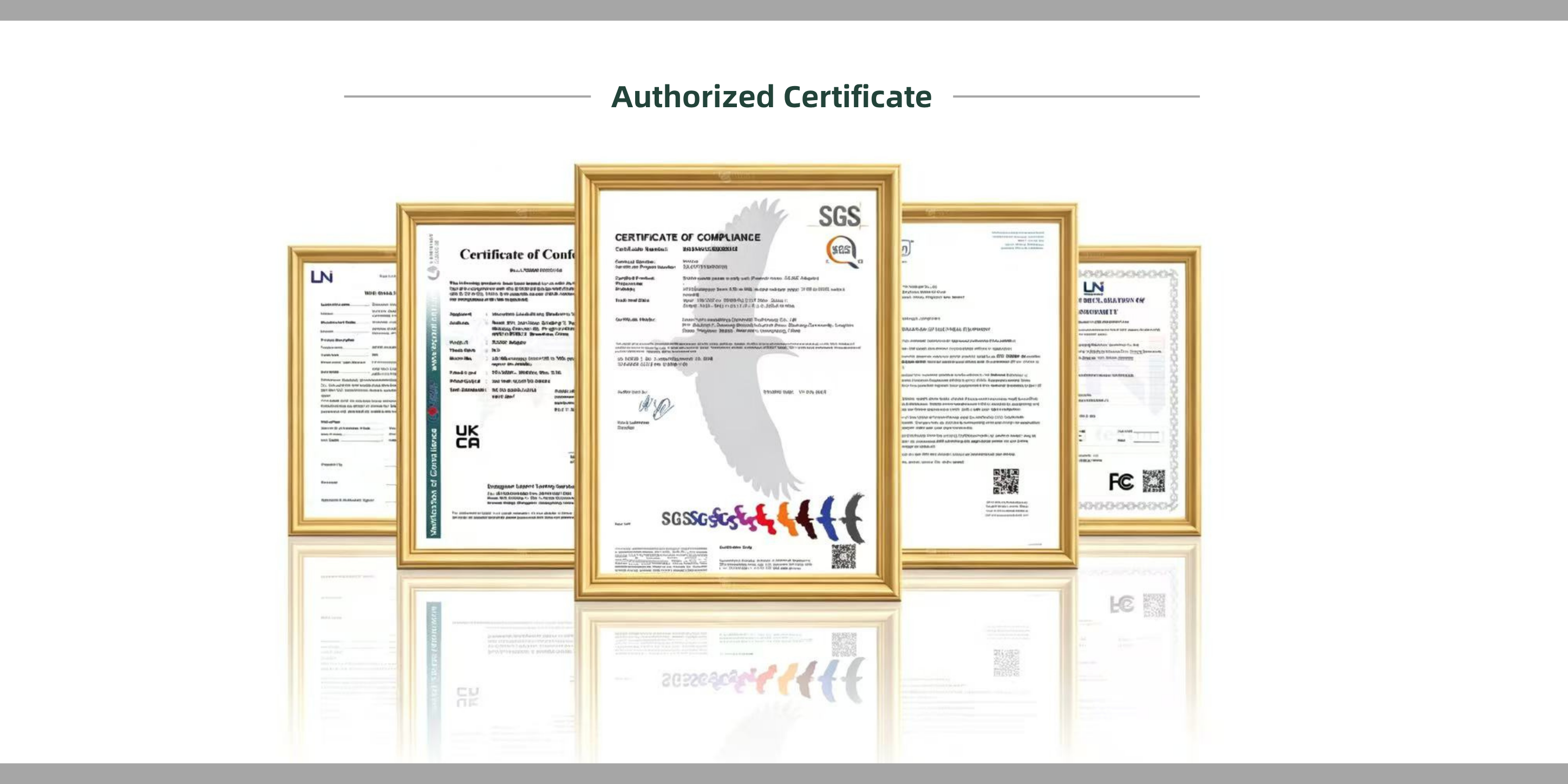
Equipped with complete international certifications including CE, CB, KC, ETL and FCC, our chargers feature stable output, low heat generation and strong overcurrent protection. Compared with low-cost modified chargers, high-quality certified chargers effectively reduce failure probability and after-sales maintenance costs, which is more cost-effective for long-term bulk procurement.
Q&A
Q: How to extend charger service life?
A: Avoid moisture, avoid long-term overload, cut off power after use, and choose certified regular chargers. If you are looking for durable, low-failure industrial and electric vehicle chargers, Lilon provides one-stop customized charging solutions for global wholesale buyers.


